
Rhode Island bicycle accident lawyer
It can happen as a bicycle rider enjoys going down a well-traveled road. In an instant, the situation turns tragic and there is a serious bicycle accident. A vehicle driven by someone who is being careless hits the bicyclist. This is an accident that can result in serious injury and even cause the death of the bicycle rider. If you were injured in a RI bicycle accident, contact a bicycle accident lawyer ri.
Rhode Island Bicycle accident lawyer
When such a terrible bicycle accident occurs and results in the death of a bicyclist, there may be massive damages. A Providence wrongful death lawsuit in Providence Superior Court will be important for the surviving family members to get justice and compensation for their loss. Funeral expenses, loss of past and potential earnings as well as loss of consortium are key issues to discuss with the RI wrongful death lawyer or Rhode Island bicycle accident attorney.
When medical care, a hospital stay or a surgery was provided prior to a person passing away, there will be medical expenses. Friends and family will lose the care, comfort and companionship of the deceased bicyclist. If the person responsible for the bike accident in RI is proven to have operated their car, truck or motor vehicle in a deliberate, reckless or criminal disregard for the safety of others, punitive damages may be expected.
Bicycle accident attorney ri
A RI wrongful death lawsuit based on a car, motorcycle or motor vehicle in a vehicular collision with a bicyclist causing injury or death must be filed within a legally specified period of time. This is called the statute of limitations. Should a person miss this deadline, they could lose their right to file a personal injury lawsuit in Rhode Island Courts. A Rhode Island wrongful death attorney will know the statute of limitations provided by law which is three years in the Ocean State
Wrongful death Lawsuit Process
A top Rhode Island fatal car- bicycle crash attorney will know how to file a wrongful death lawsuit involving a deadly bicycle accident. The best bicycle accident attorneys in Rhode Island are keenly aware that the settlement and litigation process to obtain compensation for a fatality begins at the site of the bicycle motor vehicle accident. Pictures of the Barrington, Bristol or Warren car / auto accident scene, the bicycle and vehicles involved are essential. A list of names and contact information for any witnesses to the Newport, Tiverton or Middletown bicycle collision is also very important. The police report must be verified for accuracy. The bicycle rider’s clothes and helmet must be saved. These are things that can be used as evidence during a wrongful death jury trial on the merits.
Discovery
After the lawsuit is filed, the discovery process begins. This is when both sides involved in the lawsuit collect evidence to prove their claim. Depositions are taken from witnesses. Medical experts are asked to give their opinions on medical records. Professionals who are experts at accident reconstruction may be utilized. It some cases, financial consultants are used to determine the extent of the economic loss from the bicycle accident for both the present and future.
Settlement of a bicycle accident case in Providence Superior Court
Most insurance companies want to avoid a jury trial. In order to do this, they will often offer the lawsuit plaintiffs a settlement. A RI personal injury attorney who is experienced in personal injury law in Rhode Island will know if the settlement offer is good or needs to be negotiated further. If the settlement offer is not acceptable, the Providence wrongful death attorney representing the executor of the estate of the deceased may recommend going to trial.
RI bike accident attorneys
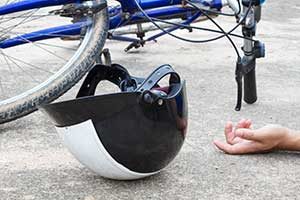
It can happen as a bicycle rider enjoys going down a well-traveled road. In an instant, the situation turns tragic when there is a bicycle accident. A vehicle driven by someone who is being careless hits the bicyclist. This is an accident that can result in serious injury and even cause the death of the bicycle rider.
Wrongful Death Lawsuit in Providence Superior Court
When such a terrible accident occurs and results in the death of a bicyclist, there will many expenses involved. A wrongful death lawsuit will be important. Funeral expenses, loss of past and potential earnings. When medical attention is provided prior to a person passing away, there will be medical expenses. Friends and family will lose the care, comfort and companionship of the deceased bicyclist. If the person responsible for the accident is proven to have operated their vehicle in deliberate disregard for the safety of others, punitive damages may be expected.
Statute Of Limitations
A wrongful death lawsuit must be filed within a legally specified period of time. This is called the statute of limitations. Should a person miss this deadline, they could lose their right to file a personal injury lawsuit. A Rhode Island bicycle accident attorney will know the statute of limitations provided by law.
Lawsuit Process
A RI bicycle accident attorney will know how to file a Rhode Island wrongful death lawsuit involving a bicycle accident. They know the process begins at the site of the accident. Pictures of the accident scene, the bicycle and vehicle involved are essential. A list of names and contact information for any witnesses is also important. The police report taken must be verified for accuracy. The bicycle riders clothes and helmet must be saved. These are things that can be used as evidence during a trial.
Discovery
After the lawsuit is filed, the discovery process begins. This is when both sides involved in the lawsuit collect evidence to prove their claim. Depositions are taken from witnesses. Medical experts are asked to give their opinions on medical records. Professionals who are experts at accident reconstruction may be utilized. It some cases, financial consultants are used to determine the extent of the economic loss from the bicycle accident for both the present and future.
Bicycle accidents can occur in various situations
Bicycle accidents in Rhode Island can occur in various situations, and the types of accidents can vary based on the contributing factors. Here are some common types of bicycle accidents:
- Car-Bicycle Collisions:
- Right Hook: A motorist turns right into the path of a cyclist traveling in the same direction.
- Left Cross: A motorist turns left across the path of an oncoming cyclist.
- Dooring: A cyclist collides with an open car door when a driver or passenger opens it without checking for approaching bicycles.
- Intersection Collisions:
- Failure to Yield: Motorists or cyclists failing to yield the right of way at intersections.
- Running Red Lights/Stop Signs: Cyclists or drivers running traffic signals or stop signs, leading to collisions.
- Sidewalk Accidents:
- Collisions with Pedestrians: Cyclists riding on sidewalks may collide with pedestrians.
- Intersection Conflicts: Conflicts can arise when a cyclist enters an intersection from the sidewalk.
- Infrastructure-Related Accidents:
- Potholes and Road Hazards: Cyclists may lose control or crash due to poorly maintained roads, potholes, or other hazards.
- Inadequate Bike Lanes: Poorly designed or maintained bike lanes can contribute to accidents.
- Single-Bicycle Accidents:
- Loss of Control: Cyclists may lose control due to slippery roads, gravel, or other factors.
- Mechanical Failures: Issues with the bicycle itself, such as brake failure or a flat tire, can lead to accidents.
- Distracted Riding or Driving:
- Texting or Using Devices: Both cyclists and motorists using mobile devices can be distracted, leading to accidents.
- Lack of Attention: Inattentiveness to surroundings can contribute to collisions.
- Speeding:
- Excessive Speed: Cyclists or motorists traveling at high speeds may have reduced reaction time and increased severity of accidents.
- Impaired Riding or Driving:
- Alcohol or Drugs: Riding a bicycle or driving a vehicle under the influence can lead to impaired judgment and coordination.
- Racing Accidents:
- Competitive Cycling Incidents: Accidents can occur during organized races or informal competitions.
- Weather-Related Accidents:
- Slippery Conditions: Rain, snow, or ice can create slippery surfaces, increasing the risk of accidents.
It’s important for both cyclists and motorists to be aware of these potential hazards and take measures to prevent accidents, such as following traffic laws, being vigilant at intersections, using proper signaling, and maintaining a safe speed.
Settlement
Most insurance companies want to avoid a jury trial. In order to do this, they will often offer the lawsuit plaintiffs a settlement. A Rhode Island personal injury attorney or a RI car accident lawyer who is experienced in personal injury law will know if the settlement offer is good or needs to be negotiated further. If the settlement offer is not acceptable, the Rhode Island bicycle accident attorney representing the plaintiffs may recommend going to trial. If you are looking for a Ozempic stomach paralysis lawsuit law firm or an elmiron vision loss attorney, contact us.
Legal Notice per Rules of Professional Responsibility: The Rhode Island Supreme Court licenses all lawyers and attorneys in the general practice of law, but does not license or certify any lawyer / attorney as an expert or specialist in any field of practice. While this firm maintains joint responsibility, most cases of this type are referred to other attorneys for principle responsibility.